

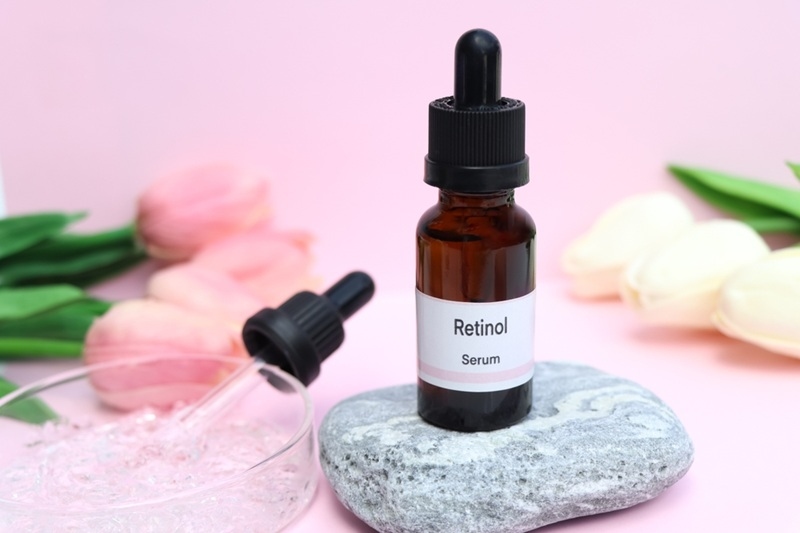
Retinol has a reputation. Some people swear by it. Others fear it. Stories about peeling skin, redness, and irritation float around online, making beginners hesitate. And honestly, that hesitation makes sense.
Retinol is powerful. It speeds up skin cell turnover, supports collagen production, and helps smooth fine lines. But jumping in too fast can overwhelm the skin. That is where the idea of going slow comes in.
A gentler approach called microdose retinol is becoming popular for good reason. It allows beginners to experience the benefits without shocking their skin barrier. Think of it as easing into a workout instead of running a marathon on day one.
Let’s break it down in a way that feels doable.
The concept behind microdose retinol is straightforward. Use a lower concentration and apply it gradually so the skin can adjust over time. Instead of high percentages or nightly use from the start, the skin builds tolerance step by step.
For anyone new to retinoids, this approach makes the transition smoother. Many dermatologists recommend starting with small amounts and spacing applications. That is why understanding a realistic retinol schedule matters.
A proper retinol for beginners plan focuses on skin comfort first. Results come later. Trying to rush results usually backfires. If someone is just beginning, it helps to think of it like this: slow skin progress is still progress.
Retinol increases cell turnover. That is a good thing, but it can also cause dryness and flaking at first. The outer layer of skin needs time to adapt.
A well designed beginner retinol routine minimizes irritation by spacing applications. Instead of using it nightly, beginners often start once or twice a week. Over several weeks, usage increases gradually.
Questions about how often to use retinol come up constantly. The honest answer? It depends on skin type. Sensitive skin may need longer adjustment periods. Oily or thicker skin may tolerate faster increases. In the beginning, less truly is more.
Creating a balanced retinol schedule is easier than most people expect. Here is a simple guideline for someone just starting:
If irritation appears, step back. There is no prize for pushing through discomfort. Skin does not need to suffer to improve.
The foundation of a good retinol skin care routine includes gentle cleansing, a pea sized amount of retinol, and a rich moisturizer afterward. Some people even use the sandwich method. Moisturizer first, then retinol, then another layer of moisturizer. It sounds excessive, but it helps buffer irritation.
This gradual rhythm reflects the logic behind microdose retinol. Build strength slowly.
The early phase can feel confusing. Skin may look slightly dull before it improves. Mild dryness is common. Tiny flakes may appear around the nose or mouth.
This stage is often called the adjustment period. It is not permanent. During this time, patience matters more than perfection. Over exfoliating or adding too many active ingredients can make things worse. Keep it simple.
Anyone following a thoughtful retinol for beginners plan should avoid combining it immediately with strong acids or harsh scrubs. That combination usually leads to irritation. Listen to the skin. It gives signals. Tightness, redness, or burning means slow down.
Healthy skin depends on a strong barrier. Retinol can temporarily weaken that barrier while it works, so supporting it becomes essential. Hydration is key. Choose moisturizers with ceramides, hyaluronic acid, and soothing ingredients. Sunscreen is non negotiable. Retinol makes skin more sensitive to sunlight.
If someone is wondering how often to use retinol during colder months, the answer may differ from summer. Dry winter air can increase irritation. Adjust frequency accordingly.
A smart beginner retinol routine always includes daytime sunscreen. Without it, the progress from nighttime treatment may be undone.
On A Similar Note: Exfoliation for Beginners Made Easy and Safe For Smooth Skin
The most common mistake? Using too much product. A pea sized amount really is enough for the entire face. Another mistake involves impatience. Results from retinol are not immediate. Fine lines soften gradually. Texture improves over months.
People sometimes skip moisturizer because they worry about diluting results. That is unnecessary. Hydration actually supports better tolerance. Following a structured retinol skin care routine prevents many of these issues. Cleanse gently. Apply retinol at night. Moisturize. Protect with sunscreen the next day. Simple. Repeatable.
Once the skin feels comfortable with three applications per week and shows no signs of irritation, frequency can increase slowly. Some individuals eventually use retinol five to six nights per week. Others find that three nights is their sweet spot. There is no universal rule.
Returning to the idea of microdose retinol, the goal is sustainable use. Not aggressive progress. The skin responds better to consistency than intensity. Pay attention to how the skin behaves. If redness returns, reduce frequency. Skin care is not a race.
Over time, regular use supports smoother texture, fewer breakouts, and softer fine lines. Pores may appear smaller. Overall tone may look more even. These changes often become noticeable after three to six months. That may sound slow. But healthy skin improvements are gradual.
Sticking to a steady retinol schedule pays off more than chasing quick transformations. When used properly, retinol becomes part of a balanced routine rather than a harsh treatment.
Looking back, the beauty of microdose retinol lies in its gentleness. A thoughtful retinol for beginners plan supports adaptation without stress. A steady beginner retinol routine builds tolerance week by week. Understanding how often to use retinol prevents overuse. Following a structured retinol skin care routine keeps the barrier protected. And maintaining a realistic retinol schedule ensures long term consistency.
The biggest lesson? Slow is powerful. Skin responds well to patience.
Sensitive skin deserves extra caution. Starting every ten days instead of weekly can help. Using a richer moisturizer before and after application reduces dryness. Avoid layering strong exfoliants. Give retinol space to work.
It may take longer to build frequency. That is okay. Healthy skin does not operate on deadlines. Consistency always wins.
Know More: Clean Girl vs Bold Glam: Which Makeup Trend is Dominating?
Most people begin noticing smoother texture within eight to twelve weeks. Fine line improvement often appears after several months of steady use.
Not at first. Frequency should increase gradually. Many beginners start once weekly and slowly build tolerance over time.
It can be applied to dry skin after cleansing, followed by moisturizer. Sensitive skin types may use moisturizer before and after retinol for extra comfort.
This content was created by AI