

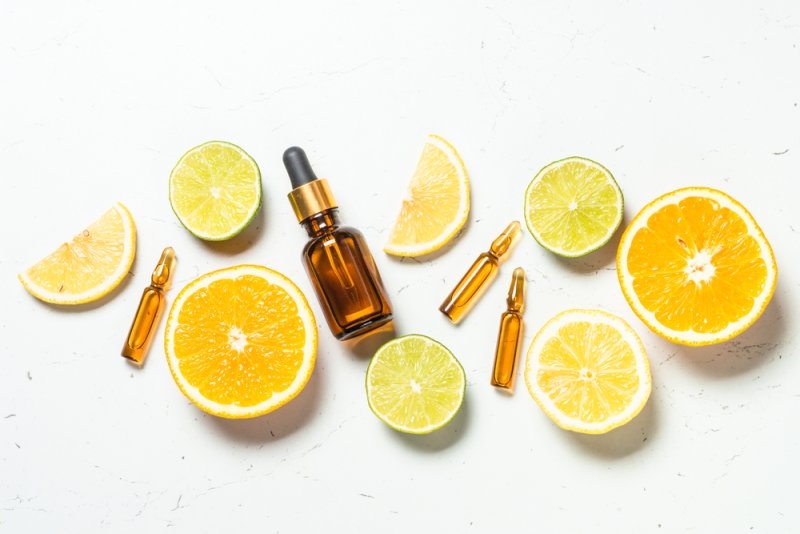
If your skin’s looking dull, there could be plenty of reasons: too much sun, city air, stress, not enough sleep—it all piles up and shows eventually. A good Vitamin C serum isn’t magic. It won’t undo damage overnight, but it can help brighten your skin, even out your tone, and support a healthier look bit by bit.
Choosing the right one? That’s tricky. Some are built for fading dark spots, others smooth fine lines. Sometimes budget options work just as well as the fancy ones. Here, you’ll find my picks for the best serums out there, how they stack up, who they actually suit, and a few tips on adding Vitamin C to your daily routine.
Choosing the best Vitamin C serum isn't about buying the most expensive bottle. Formula stability, ingredient combination, concentration, skin type, plus your actual skincare goals matter far more.
| Product | Best For | Key Ingredients | Price |
|---|---|---|---|
| SkinCeuticals C E Ferulic | Overall performance | L-Ascorbic Acid, Vitamin E, Ferulic Acid | $185 |
| TruSkin Vitamin C Facial Serum | Beginners | Vitamin C, Hyaluronic Acid, Vitamin E | $20 |
| Paula's Choice C15 Super Booster | Dark spots | 15% Vitamin C, Ferulic Acid, Vitamin E | $55 |
| e.l.f. Skin Bright Icon Serum | Budget shoppers | Vitamin C, Niacinamide | $17 |
A premium bottle isn't always necessary. The best Vitamin C serum is usually the one you'll actually use every morning without skipping half the week.
Don't Miss: Skin Barrier Repair Starts With Better Daily Hydration
A good Vitamin C serum protects skin against everyday environmental damage while helping brighten uneven tone over time. It also supports collagen production, which naturally slows as skin ages.
No serum performs miracles. Small improvements, repeated daily, create visible change after several weeks.
A Vitamin C serum for face works best before moisturizer and sunscreen. Applied consistently, it helps defend against free radicals created by UV exposure and pollution. Think of sunscreen as the shield. A Vitamin C serum for face strengthens what's underneath.
People often expect instant brightness. That rarely happens. Instead, the skin gradually appears smoother, healthier, plus more even after regular use.
Many shoppers buy a brightening serum expecting only radiant skin. That misses half the picture. A quality brightening serum can help reduce the appearance of post-acne marks, uneven pigmentation, plus dull patches caused by sun exposure.
Suggested Reading: Beginner Skincare Routine You Can Follow Without Confusion
Different skin concerns need different formulas. One product may perform brilliantly for pigmentation yet feel too strong for sensitive skin. Another may be affordable enough for everyday use while still delivering reliable antioxidant protection.
When people discuss the best Vitamin C serum, SkinCeuticals C E Ferulic almost always enters the conversation. Its combination of pure L-ascorbic acid, Vitamin E, plus ferulic acid creates a highly stable antioxidant formula.
It's expensive. No point pretending otherwise. But users often stay loyal because consistent use improves brightness, fine lines, plus overall skin texture without needing complicated routines.
Not everyone needs a $185 serum. TruSkin offers a beginner-friendly Vitamin C serum that combines Vitamin C with hyaluronic acid for extra hydration. The formula feels gentle enough for many first-time users while remaining affordable for daily application.
If someone asks for the best Vitamin C serum under $25, this one deserves serious attention. Its lower price also makes consistency easier. That matters more than luxury packaging.
Dark spots often need patience. They also need the right ingredients. Paula's Choice C15 Super Booster combines 15% Vitamin C with Vitamin E plus ferulic acid, making it a strong anti aging serum as well as an effective treatment for uneven pigmentation.
The lightweight formula layers easily into an existing skincare routine, making it popular among people already using moisturizers, retinol, or sunscreen without adding unnecessary heaviness.
A tight budget shouldn't mean giving up on good skincare. The e.l.f. Skin Bright Icon Serum combines Vitamin C with niacinamide to create a simple brightening serum that suits everyday use.
It won't replace every premium formula, yet it performs well for people starting a skincare routine or looking for an affordable daytime option. For under $20, the value is difficult to ignore.
Also Read: Gentle Combination Skin Routine for Clear Everyday Skin
The best Vitamin C serum isn’t the priciest or the one trending online—it’s the one that fits your skin, your budget, and your habits. SkinCeuticals C E Ferulic is still the gold standard if you want full antioxidant power. For beginners, TruSkin gives you solid results without breaking the bank.
Most important? Don’t keep switching. Stick with one product long enough to really see what it does. A solid Vitamin C serum, paired with daily sunscreen and a simple routine, can outperform a whole shelf crowded with skincare.
Absolutely. The old idea that you shouldn’t mix them doesn’t really hold up anymore. Today’s skincare formulas play nicely together. When you use Vitamin C serum with niacinamide, you help your skin look brighter and healthier while also strengthening your skin barrier.
You don’t have to keep most Vitamin C serums in the fridge. Just store the bottle somewhere cool and dry, out of direct sunlight. This keeps heat and light from breaking the serum down and making it less effective.
If you use it every day, expect your bottle to last around two or three months. Keep an eye on the color—if it shifts from clear or pale yellow to a dark orange or brown, it’s oxidized. Time for a new one.
Yes, especially if they’re dealing with things like dullness or marks from past breakouts. It’s better for beginners (and younger skin) to stick with a gentle formula that has a lower Vitamin C concentration, rather than jumping into the stronger stuff right away.
Most Vitamin C anti-aging serums are made for daily use in the morning. If your skin is on the sensitive side, start slow—maybe three or four times a week—then ramp up once your skin gets comfortable.
This content was created by AI